
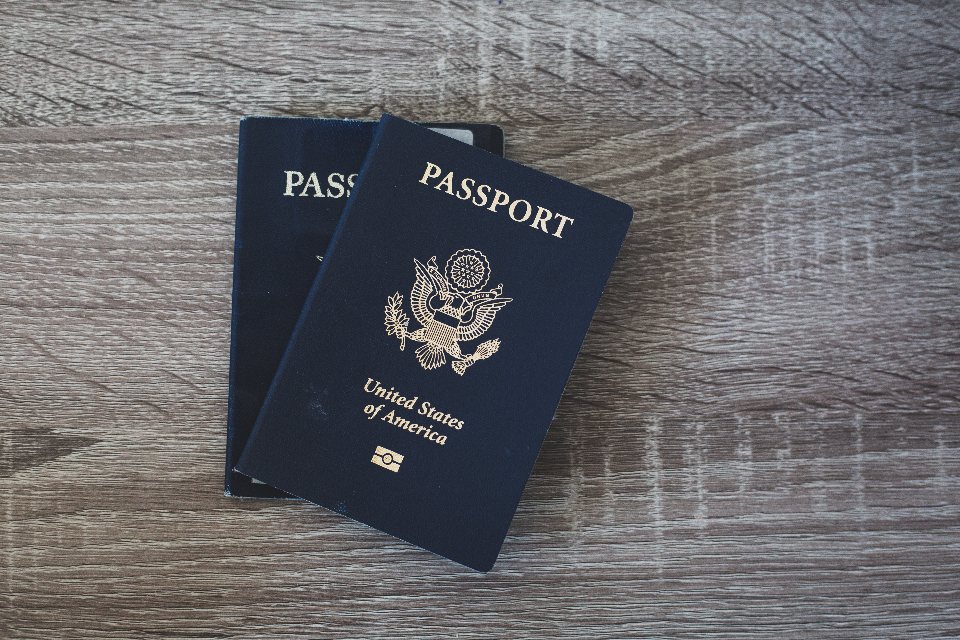
The first month in Montreal is mostly paperwork. The apartment is found, the boxes are unpacked, and then comes a series of counters, appointments and online forms that turn a visitor into a resident. None of it is hard, but the order matters, several steps have waiting periods, and a few have quirks that are specific to Quebec. We have put the essentials in the sequence we would follow ourselves. Rules and fees change regularly, so treat this as a map rather than a rulebook and confirm the current details before each step.
Start with the social insurance number
The social insurance number is the nine-digit federal identifier you need to work, pay taxes and open most financial accounts. It is issued by the federal government’s service counters or online, and you can apply as soon as you have your work permit, permanent residence confirmation or citizenship document. Numbers issued to temporary residents begin with a nine and carry an expiry date matched to the permit; when the permit is renewed, the number must be updated. Get this done in the first week, because the bank and the employer will both ask for it. Never share it casually; it is the key to your credit file and your tax record.
The health card and its waiting period
Quebec runs a public health insurance plan, and coverage is tied to a health card with a photo that you must register for in person. The important detail is the waiting period: most new arrivals become eligible only after a delay that can run up to three months from the date they establish residence. During that gap, emergency care is not free, so private travel or newcomer insurance for the first months is not optional. Some categories are exempt from the wait, including people arriving under certain social-security agreements between Quebec and their home country, students on some exchange programmes, and some work-permit holders whose employer is based here; the list changes, so ask when you register.
Book the registration appointment early, bring your immigration documents, proof of address and passport, and expect the card in the mail a few weeks later. A second card, from the same plan, covers prescription drugs unless you have a private plan through work, in which case you must enrol in that instead. Family doctors are scarce; put your name on the provincial waiting list for one the same week and use walk-in clinics and pharmacists in the meantime.
Exchanging a driver’s licence
You may drive on a valid foreign licence for the first six months after settling here. After that you need a Quebec licence from the provincial automobile insurance agency, which also handles registration. Holders of licences from other Canadian provinces, most American states and a list of countries with reciprocal agreements, including much of Western Europe, can generally exchange without a test, though a vision check and a fee apply. Everyone else goes through the knowledge test and a road test, and may face a probationary period.
Bring the original licence, a translation if it is not in French or English, immigration documents and proof of address. If your home licence has a class or experience record you want recognised, bring a driving-record letter from the issuing authority; it can shave years off insurance premiums. Note that the provincial plan covers bodily injury for everyone on Quebec roads, but property damage and liability coverage are bought from private insurers, and they price heavily on local driving history you do not yet have.
Banking and the empty credit file
Opening a chequing account is straightforward with a passport, immigration document and social insurance number, and most institutions have newcomer packages that waive fees for the first year. The harder part is credit. Your history from abroad does not follow you, and a landlord, a phone company or a car lease will all look at a Canadian file that reads as blank. The fastest fix is a small credit card, secured with a deposit if necessary, used lightly and paid in full every month for six to twelve months. Set up a pre-authorised payment for at least one bill to build a record of on-time payments.
Expect to be asked for two pieces of identification everywhere. Expect, too, that rent in Montreal is usually paid by cheque, electronic transfer or pre-authorised debit rather than by card, so order a chequebook or set up transfers early. Quebec tax is collected at two levels, federal and provincial, with two returns each spring; a newcomer’s first return often produces a refund and unlocks several benefits, so file it even if you arrived late in the year.
Phones, internet and the address chain
Canadian mobile plans are expensive by European or Asian standards and cheap by nobody’s. Bring an unlocked phone, skip the contract, and choose a monthly plan with Canada-wide calling and a data bucket that matches your habits; prices have come down in recent years, and regional carriers in Quebec compete hard. You will need a local number quickly, because the health card, the bank and the transit fare card all want one. Home internet is usually separate from the apartment and takes a week or two to install, so book it before the move date.
Every organisation above wants a proof of address, and the first one is the hardest to obtain. A signed lease is the usual answer; a utility account for electricity, opened in your name the day you get the keys, is the second. The provincial government offers a single online change-of-address service that updates several agencies at once, worth using for every subsequent move.
Winter tires, and a few other local rules
If you drive, note that Quebec requires all passenger vehicles registered in the province to be fitted with winter tires marked with the mountain and snowflake symbol during a fixed period of the cold season, running from the start of December to mid-March under current rules, with fines for non-compliance. Garages book up in November; make the appointment in October. Street parking in Montreal follows a maze of signs that change by day, hour and season, and during snow removal operations whole streets are cleared with a few hours of notice; the city app and the orange signs are your friends.
Two more items round out the list. Register with the school service centre if you have children, and, if you plan to stay, find a French course: the provincial government funds full- and part-time francization classes, sometimes with an allowance, and the language will open more doors here than any card in your wallet.