
Heating is the one home expense that Montrealers discuss with the same passion other cities reserve for property taxes. Winters here bring an average of around 200 centimetres of snow and long stretches below minus fifteen, and the heating season runs from October into April. The good news is that Quebec sits on one of the cheapest and cleanest electricity grids in North America. The less good news is that many of our homes were built before anyone thought about insulation. Here is how the pieces fit together, whether you rent a 4 1/2 or own a triplex.
A grid built on water
Close to all of Quebec’s electricity comes from hydroelectric dams, most of them in the north of the province, with a growing share from wind. The public utility sells that power to households at regulated rates that have historically been among the lowest on the continent, with a first block of daily consumption billed at a lower price and the remainder at a higher one. Rates are adjusted once a year and, in recent years, residential increases have been capped by the provincial government at a few percent, so the general picture is stable.
The consequence is visible in every apartment listing. Roughly two thirds of Quebec homes heat with electricity, far more than any other province, and in Montreal the proportion is even higher in the plex stock. When a listing says heating is not included, it almost always means an electric bill in your name, and the utility will happily tell you the past twelve months of consumption for a given address before you sign, which is the single most useful question a renter can ask.
Baseboards: cheap to install, honest to run
Electric baseboards are the default heating system in most Montreal apartments built or renovated after the 1960s. They are simple resistive heaters: every kilowatt-hour that goes in comes out as heat, which makes them one hundred percent efficient in the narrow sense and rather blunt in every other sense. They heat room by room, they cannot move heat from one place to another, and they cannot cool.
The economics are simple. A modest, reasonably insulated 4 1/2 might use somewhere between 8,000 and 14,000 kilowatt-hours a year for heating, hot water and everything else, while a drafty top-floor plex unit with single-pane windows can double that. The cheapest upgrade in any baseboard apartment is a set of electronic thermostats in place of the old bimetal dials, which overshoot by a couple of degrees and waste energy. Programmable or connected thermostats go one step further, dropping the temperature overnight and when nobody is home. Renters can install them and take them along when they leave, as long as the original units go back on the wall.
Cold-climate heat pumps
The change of the last decade is the arrival of heat pumps designed for real winters. A heat pump moves heat rather than producing it, so for every unit of electricity it consumes it can deliver two to three units of heat in mild weather, and still more than one at minus twenty. The older models lost their advantage around minus ten and shut down; the cold-climate generation keeps working, at reduced capacity, down to around minus twenty-five or thirty. In practice, most Montreal installations keep the baseboards as a backup for the coldest nights and let the heat pump carry the rest of the season.
For a plex, the common setup is a wall-mounted ductless unit in the main living space, with an outdoor compressor on a bracket at the rear of the building. That placement matters: several boroughs regulate where the outdoor unit may sit and how much noise it may make at the property line, and heritage rules generally forbid it on a front facade. The same unit provides air conditioning in July, which is why heat pumps have become a selling point in rental listings. Provincial and utility rebate programmes have offered several hundred to a few thousand dollars toward installation; the details change often, so check what is on offer before quoting.
Oil, gas and the phase-out
Some older homes, especially detached houses in the west and north of the island, still run oil furnaces or hot-water boilers. Quebec has been moving to retire them: provincial regulations adopted in the early 2020s prohibit installing oil heating in new construction and, since the end of 2023, replacing an oil system with another oil system in an existing home. Owners are steered toward electricity or a heat pump, with conversion grants to soften the cost, and a buried oil tank that has been decommissioned must be documented at sale. Montreal has also adopted rules restricting fossil-fuel heating in new buildings, starting with smaller ones. The exact scope of these rules shifts year to year, so confirm the current version before planning a conversion.
Natural gas remains common in restaurants and larger buildings, but for a household it is now mostly a question of when, not whether, to switch.
Old radiators and the pleasure of cast iron
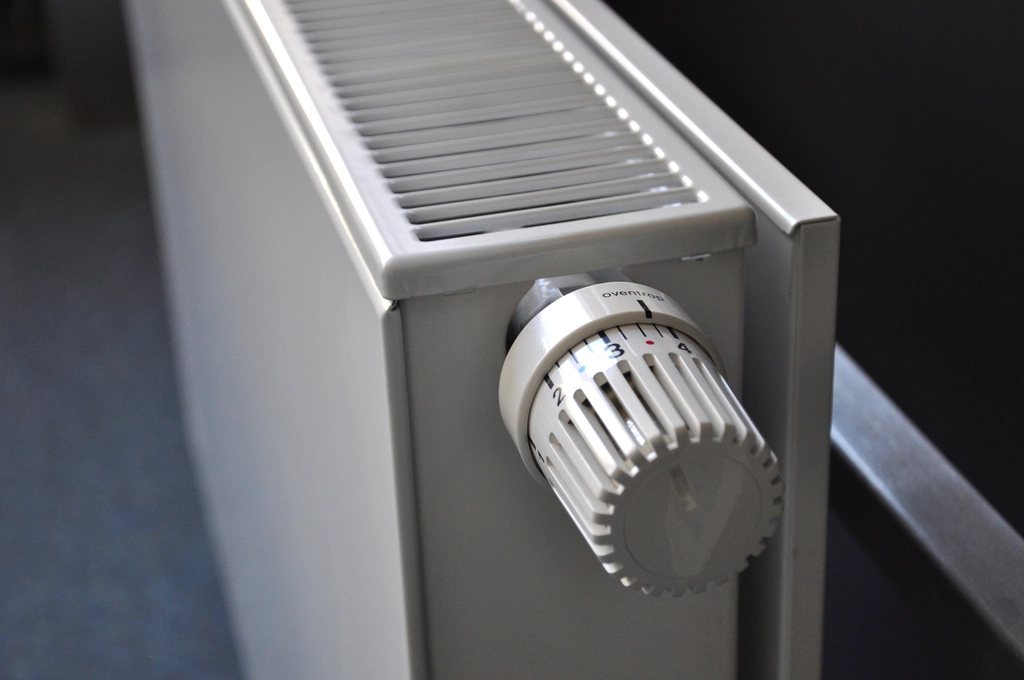
Walk into a pre-war apartment in Outremont, Westmount, Notre-Dame-de-Grace or parts of the Plateau and you may find cast-iron radiators fed by a boiler in the basement. These hot-water systems are usually owned and controlled by the landlord, which is why the listing says heating is included, and they produce a gentle, even warmth that baseboards never match. The trade-offs are timing and control. The building has one thermostat, often in the ground-floor hallway, so upper units run hot and corner units run cold. Bleeding a radiator that gurgles or stays cold at the top is a two-minute job with a small key, and most landlords are grateful when tenants do it.
Boilers from the oil era are gradually being replaced by electric boilers or split systems, which keeps the radiators in service. If you love the look, keep them; they add real value in a renovation.
Insulating a brick wall without wrecking it
The oldest plexes have solid masonry walls of two or three courses of brick with plaster on wood lath applied directly inside, and essentially no insulation. The instinct is to fill the cavity with foam, but brick that is kept cold and wet by interior insulation can spall in our freeze-thaw cycles. The safer order of operations is to seal air leaks around windows, doors and the rim joist, insulate the attic and roof deck generously, replace windows on the rear facade where heritage rules allow, and only then consider a modest interior insulation layer with a vapour barrier designed for the assembly. Get an energy evaluation first; the blower-door test almost always finds a leak bigger than any wall. A well-sealed plex with a heat pump and electronic thermostats can cut a heating bill by a third, which in Montreal is real money every winter.