
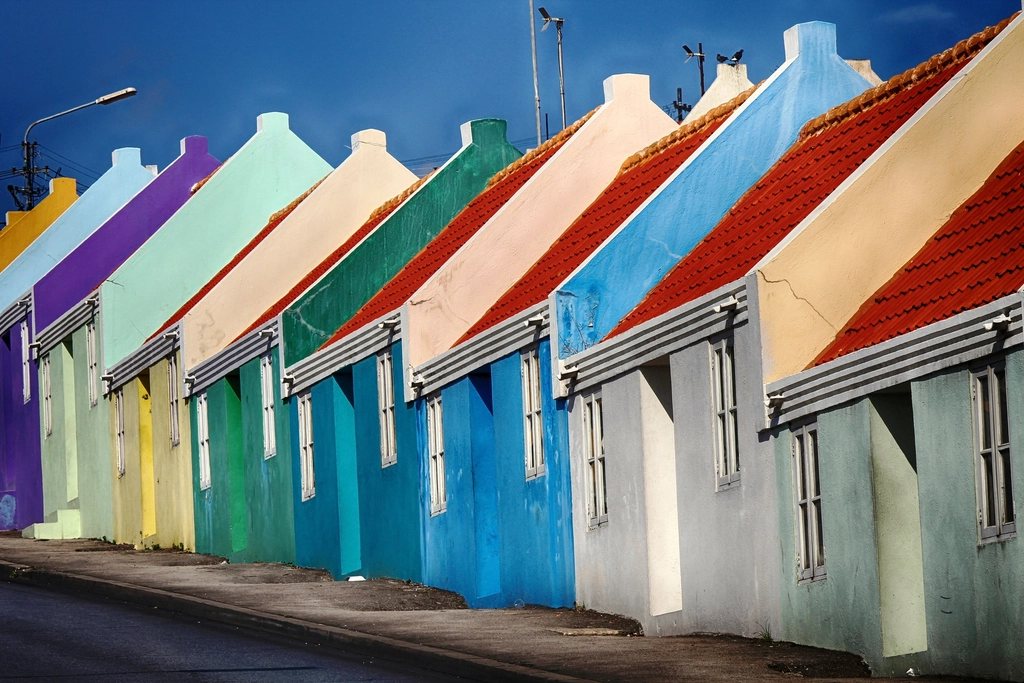
Montreal’s housing stock does not look like the rest of Canada’s. Where other cities are built of detached houses and glass towers, most of this island is made of two- and three-storey brick plexes with outdoor staircases, low-rise condos carved out of former factories and greystones, and a ring of postwar bungalows on the edges. That variety gives buyers real choices, but each type comes with its own legal structure, monthly costs and headaches. Here is how we would think about which one fits your life and your budget.
Condos: divided or undivided
The first thing to understand about condos in Quebec is that there are two legally different kinds, and the difference matters enormously. In a divided co-ownership, each unit is a separate lot in the land register. You own your apartment outright, you hold a share of the common areas, and a syndicate of co-owners manages the building, collects fees and maintains a contingency fund. Lenders treat it as ordinary property: five percent down is possible with mortgage insurance, and the unit can be sold or mortgaged independently.
In an undivided co-ownership, the building remains a single lot and the owners each hold a percentage share of the whole, with a private agreement, the indivision agreement, assigning exclusive use of particular units. This structure is very common in older Plateau, Villeray and Rosemont plexes that were converted without going through the municipal process required for a divided conversion. Undivided units are usually cheaper per square foot, but lenders are more cautious: expect to need at least twenty percent down, and often the co-owners must all borrow from the same lender. Selling can also be slower, because the pool of buyers is smaller. Read the indivision agreement carefully, and know that Montreal restricts new conversions of rental plexes in many boroughs to protect the rental stock.
Condo fees and the contingency fund
Condo fees in Montreal are often lower than in Toronto or Vancouver, partly because many buildings are small and have no elevators, pools or concierges. Low fees in a fifty-year-old six-unit building can mean nothing is being set aside for the roof and the brick. Since a 2019 reform of the provincial co-ownership rules, syndicates are required to obtain a periodic study of the contingency fund by a qualified professional, to keep a maintenance logbook, and to hold a self-insurance fund covering the insurance deductible. Not every small syndicate has caught up with these obligations. Before you buy, ask for the last three years of financial statements, the minutes of the general meetings, the contingency fund study if one exists, and the building’s insurance certificate. A fund that holds less than what the study recommends usually means a special assessment is coming, and you will inherit it.
Plexes: the Montreal specialty
A plex is a small multi-unit building, typically a duplex, triplex or quadruplex, where the owner lives in one unit and rents out the others. They were built by the tens of thousands between about 1900 and 1960, and they are the reason Montreal has such a deep pool of affordable rentals. For a buyer, the appeal is obvious: the rent from the other units offsets the mortgage, sometimes covering half of it or more, and lenders will count a portion of that rental income when qualifying you. An owner-occupied plex with two units can be bought with as little as five percent down under the national mortgage insurance rules, and three- or four-unit buildings with ten percent.
The trade-offs are just as real. You become a landlord, subject to the provincial tenant protection regime. Existing leases transfer with the building, so you cannot simply move into the best unit; repossessing a unit for yourself or a close family member is allowed, but only with months of notice and, in some cases, compensation, and it is not permitted at all against certain long-standing elderly tenants. You will also own a century-old structure with a flat roof, a brick facade that needs repointing every few decades, and plumbing and wiring that may date from several renovations ago. Plexes suit people who are handy and patient.
Single-family houses on the island
Detached and semi-detached houses exist on the island of Montreal, but they are concentrated in specific zones: the western suburbs such as Pointe-Claire, Beaconsfield and Kirkland, the north-shore boroughs like Ahuntsic and Saint-Laurent, the old villages of Lachine and Montreal-Nord, and the pricier enclaves of Westmount, Outremont, Hampstead and Mount Royal. A postwar bungalow in the West Island gives you a yard, a garage and a driveway to shovel, at the cost of a longer commute unless you are near a commuter rail or light rail station. Prices for a detached house on the island have risen steeply since 2020, and in the central boroughs a house with a garden is now a luxury purchase.
The advantages are privacy, no syndicate, no tenants and freedom to renovate. The disadvantages are that every cost is yours: roof, foundation, furnace, snow, and the property tax bill, which in Montreal is calculated on the municipal assessment and is not cheap for a house. Older houses carry the same issues as plexes, from galvanized plumbing to lead service lines.
Houses off the island
Cross a bridge and the calculation changes. In Laval to the north, on the South Shore around Longueuil, Brossard and Saint-Hubert, and further out in Terrebonne, Repentigny or Chateauguay, the same money buys substantially more house and land. Newer subdivisions mean fewer surprises in the building itself, garages are standard, and school and municipal taxes are often lower than in Montreal. The price is distance: bridge traffic is a daily fact of life, and a household with two cars is the norm rather than the exception. The extension of the metro to Laval, the light rail line to Brossard and the commuter trains have made some off-island neighbourhoods genuinely transit-friendly, but many others are not.
How we would choose
- You want simplicity, a central location and a modest budget: a divided condo, with the syndicate’s documents read closely.
- You want a bargain in an old neighbourhood and can put twenty percent down: an undivided condo.
- You want your housing costs partly paid by someone else and do not mind being a landlord: a plex.
- You want a yard and no shared walls, and you can afford it or accept a commute: a house, on or off the island.
Whichever you choose, the same three documents decide whether it is a good buy: the inspection report, the financial paperwork behind the building or syndicate, and the leases if there are any. Montreal rewards buyers who read.