
Ask anyone to draw Montreal and they will sketch a row of plexes with iron staircases curling down to the sidewalk. Those stairs, the balconies they lead to, the back yards and lanes behind them, and the sheds tucked into the corners are the outdoor rooms of a city that spends five months indoors and then throws itself outside with real urgency. We have spent enough summers on a second-floor balcony and enough winters shovelling one to have opinions on all of it.
Why the stairs are outside
The exterior staircase is a product of the building boom between roughly 1880 and 1930, when developers stacked two or three flats on narrow lots and wanted every square metre inside to be rentable. Putting the stairs outside saved the cost and space of a heated stairwell, gave each flat its own front door, and made the street the common area. Lot depth regulations that pushed buildings back from the sidewalk, and the desire to keep a small front garden, are the usual explanations for the tight spirals and S-curves; a straight run would have landed in the street.
The city grew to dislike them. Mid-century bylaws banned exterior staircases on new construction for decades, judging them dangerous in ice and out of step with modern taste, before boroughs rehabilitated them late in the twentieth century as a defining heritage feature. Today many sectors require that a replacement staircase reproduce the original form in painted steel, and a permit is generally needed to alter or remove one. They are also legally a shared responsibility: in a plex the stairs serve several units, and leases or condominium declarations usually spell out who shovels and who pays for paint and repairs.
Balcony life, front and back
Most plexes have two balconies per unit: a front one over the sidewalk, and a rear one over the yard or lane. The front balcony is the social one, where people watch the street, drink a beer on the first warm evening in May and argue about hockey through the summer. The rear one is where the real living happens. It is usually deeper, often shared by stairs to the yard, and it holds the barbecue, the folding table and the tomato plants.
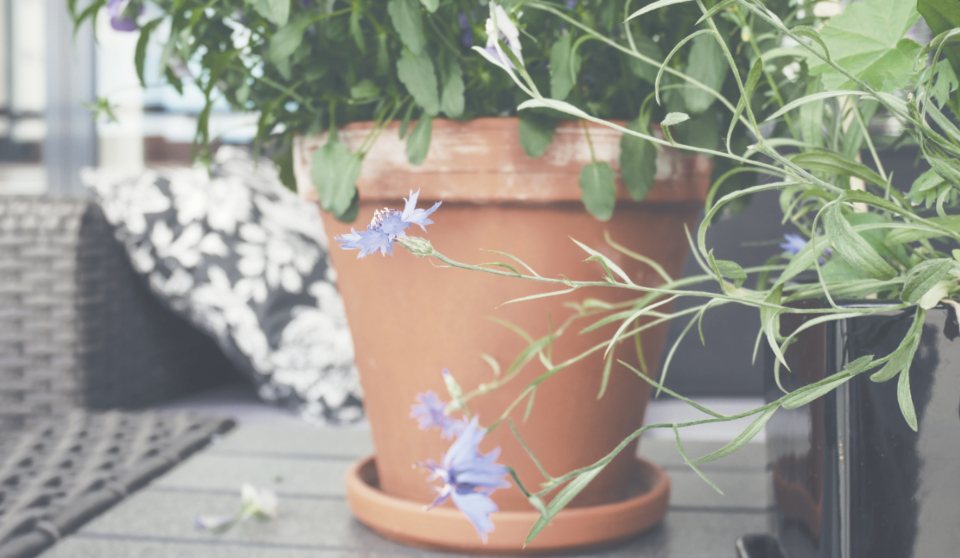
Balcony gardening is a competitive sport here. The season is short, roughly from the last frost in mid-May to the first hard one in October, so containers full of herbs, cherry tomatoes, peppers and climbing beans go out the same weekend as the garden centres fill up. A south- or west-facing balcony can be hot enough to grow eggplant; a north-facing one is for lettuce and shade lovers. Watch the weight. Wet soil in large pots is heavy, and an old wooden balcony with rot at the ledger has limits. Check that the deck boards and railing posts are solid before loading them up, and check what the borough requires for railing height if you rebuild.
The lane, and the green lane
Behind almost every plex block runs a ruelle, a back lane originally built for coal and ice deliveries and for the outhouses that predated indoor plumbing. Today the lanes are the city’s informal playground and one of its best ideas. Since the late 1990s, residents have been able to apply through their borough and local eco-quartier organisation to turn a lane into a ruelle verte, a green lane: asphalt is partly removed, planting beds and trees go in, traffic is calmed or closed off, and a painted mural or a hopscotch grid usually appears. Several hundred lanes across the island have been converted, with the Plateau, Rosemont, Villeray and Le Sud-Ouest leading.
The process runs on neighbours. A lane committee needs signatures from a majority of the households that border it, and the residents commit to watering and maintaining what is planted. In return, the lane becomes an extension of everyone’s yard, safe enough for small children on bicycles and quiet enough for a summer street dinner. If you are choosing between two apartments, a green lane behind one of them is worth noticing.
Sheds, hangars and what the lane once held
Old photographs of Montreal back yards show tall wooden sheds, called hangars, attached to the rear of the plexes and rising two or three storeys with their own galleries and stairs. They held coal, wood, laundry lines and whatever a family could not fit in a flat. Many burned, many rotted, and many were demolished in the second half of the twentieth century when boroughs tightened fire rules. A few survive and are treasured.
The modern shed is more modest: a prefabricated wooden or resin box in the yard corner, or a lean-to against the lane fence. Even so, boroughs regulate it. A shed above a certain footprint usually needs a permit, there are setback rules from the lot line and the lane, and height and materials may be restricted. In a plex, the yard and any shed are typically assigned to the ground-floor unit unless the lease says otherwise, which is worth negotiating before you sign rather than after you have bought a lawnmower.
Winter: snow load, ice and storage
Every outdoor space in Montreal has a winter job. Balconies and stairs must be cleared after each snowfall, both for safety and because a metre of packed snow and ice on an old wooden gallery is a structural load the builders never planned for. Most leases assign the front stairs to whichever tenant uses them, and a rear balcony to its unit; some landlords hire a contractor for the season. Salt corrodes steel and eats concrete, so many people use sand or a calcium-based product instead. Ice building up under a roofline can form dams and leak into the top-floor ceiling, which is a landlord problem to raise promptly.
Storage is the other winter question. Bicycles, patio furniture and barbecues have to go somewhere, and a 4 1/2 has no garage. Sheds fill up, rear balconies get wrapped in tarps, and the hallway under an interior stair becomes a bicycle room. Some boroughs offer indoor bike parking at community centres over winter, and a growing number of new buildings include a bike room. Whatever you leave outside, cover it, lift it off the deck, and expect the snow removal crews in the lane to bury it at least once before April.
Living with all of it
The outdoor spaces of a plex are old, a little fragile and deeply social. Learn who shares your stairs, agree on who shovels, plant something in May, and get to know the lane. Rules on permits and heritage change by borough and by year, so ask before rebuilding. The reward is a summer that feels twice as long as the calendar says.