
Feeding yourself in Montreal is a small daily pleasure that tells you a great deal about the city. There are the big public markets that have anchored their neighbourhoods since the 1930s, the corner stores on nearly every residential block that sell everything from milk to lottery tickets to a decent bottle of wine, the provincial liquor stores with their own culture and rules, and the two food traditions, bagels and smoked meat, that Montrealers argue about with genuine passion. Grocery life here is less about a single weekly trip to a supermarket and more about a rhythm of small stops. Here is how it works once you settle in.
Jean-Talon and Atwater: the two great markets
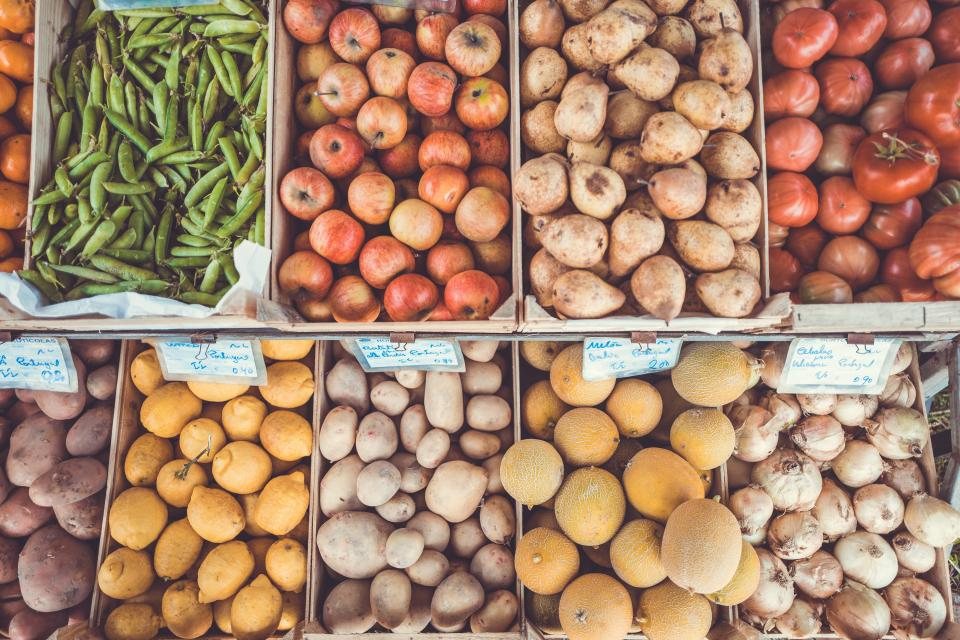
Jean-Talon Market sits at the edge of Little Italy in the north-central part of the island, and it is one of the largest open-air markets in North America. It opened in 1933 on the site of a former lacrosse field and has been in continuous operation ever since. From May to October the outer aisles overflow with produce stands run by farmers from the surrounding regions, and in winter the market retracts under glass walls and heaters but never closes. Around the produce stalls sit permanent shops selling cheese, meat, fish, spices, bread, maple products and prepared food, and the neighbouring streets are lined with Italian grocers and cafes. Go on a weekday morning if you want to shop, and on a Saturday if you want the show.
Atwater Market, in the southwest by the Lachine Canal, opened the same year and is famous for its Art Deco clock tower. It is smaller and more intimate, with a strong emphasis on butchers, fishmongers and cheese shops inside the hall and flower and vegetable vendors outside along the canal in summer. Many residents of Saint-Henri, Little Burgundy and Westmount treat it as their neighbourhood grocery. There are also smaller markets in Maisonneuve, Lachine and elsewhere, plus seasonal farmers’ markets in many boroughs from June to October.
The depanneur, or corner store culture
The word depanneur comes from the French verb meaning to get someone out of trouble, and that is exactly the role these stores play. Almost every residential block in the central boroughs has one. They are typically family-run, open early and late, seven days a week, and they stock the essentials: milk, eggs, bread, canned goods, snacks, cigarettes, lottery tickets, newspapers, phone cards and a wall of cold beer. Prices are a little higher than the supermarket, but the convenience is the point. The good ones become part of the social fabric of a street, the place where the owner knows your name and holds your parcel when you are out. A handful have evolved into gourmet shops with craft beer and local products, but the classic depanneur, with its fluorescent lights and slightly crowded aisles, is the real institution. In Quebec French, going to the dep is a complete sentence.
Beer in the dep, spirits at the SAQ
Alcohol rules are distinctly Quebec. Beer and wine can be sold in grocery stores and depanneurs, which is a shock to arrivals from the rest of Canada. The catch is that the wine available in a dep or a supermarket is limited to products bottled in Quebec by licensed bottlers, so the selection is modest and the quality varies. For a wider choice, and for all spirits, you go to the SAQ, the provincial liquor board, which runs a network of stores with a broad, well-curated selection and knowledgeable staff. Sales of alcohol in stores stop at 11 p.m. and the legal drinking age is 18. Beer culture is strong, with a dense scene of microbreweries whose bottles and cans fill the depanneur fridges, and it is entirely normal to pick up a couple of cold ones on the way to a park on a summer evening, although drinking in parks is officially allowed only with a meal.
Eating with the seasons
Quebec has a short, intense growing season, and Montrealers follow it closely. The calendar looks something like this:
- March and April: maple syrup season, when sugar shacks in the countryside serve enormous meals and the markets sell fresh syrup and maple taffy on snow
- Late May: fiddleheads and asparagus, the first green things from local fields
- June: strawberries from the surrounding farms, sold by the basket for a few weeks only
- July and August: raspberries, blueberries from the north, tomatoes and the first sweet corn, which is boiled by the dozen at neighbourhood corn roasts
- September and October: apples from the orchards south and east of the city, squash, and the last of the field produce before frost
- Winter: root vegetables, greenhouse greens, and imported produce at higher prices
Farm baskets delivered weekly from a nearby farm are popular, and many families make a day of apple picking or strawberry picking in the fields within an hour of the city.
Bagels and smoked meat as identity
Two foods carry more cultural weight here than anything else. The Montreal bagel is smaller, denser and sweeter than its New York cousin. It is hand-rolled, boiled in honey-sweetened water and baked in a wood-fired oven, and the two rival bakeries in Mile End have been producing them around the clock for decades. Locals have a firm opinion about which is better and will not be moved. A warm sesame bagel straight from the paper bag at midnight is a Montreal rite of passage.
Smoked meat is beef brisket cured with spices, smoked, steamed and hand-sliced, served piled on rye bread with yellow mustard and a pickle. It descends from Eastern European Jewish delicatessen traditions that arrived with immigrants in the early twentieth century, and the oldest delis on the Main have lines out the door most days. You order it lean, medium or fatty, and the regulars order medium-fat. Both foods belong to the same immigrant neighbourhood history, and both have become shorthand for the city itself.
The everyday grocery routine
For the ordinary weekly shop, the island has a full range of supermarkets, discount chains and independent grocers, along with ethnic markets that are often the best value for spices, rice, produce and fresh bread. Plastic bags are banned in stores, so keep a few cloth bags by the door. There is a refundable deposit on beer and soft-drink cans and bottles, which is why you will see people collecting them. Bakeries are everywhere and the bread is good. And because so many people live without a car, a shopping cart on wheels, the kind your grandmother pulled, is a completely normal sight on a Saturday morning on any Montreal sidewalk.